Guide
Beef Stew in a Slow Cooker (Time)
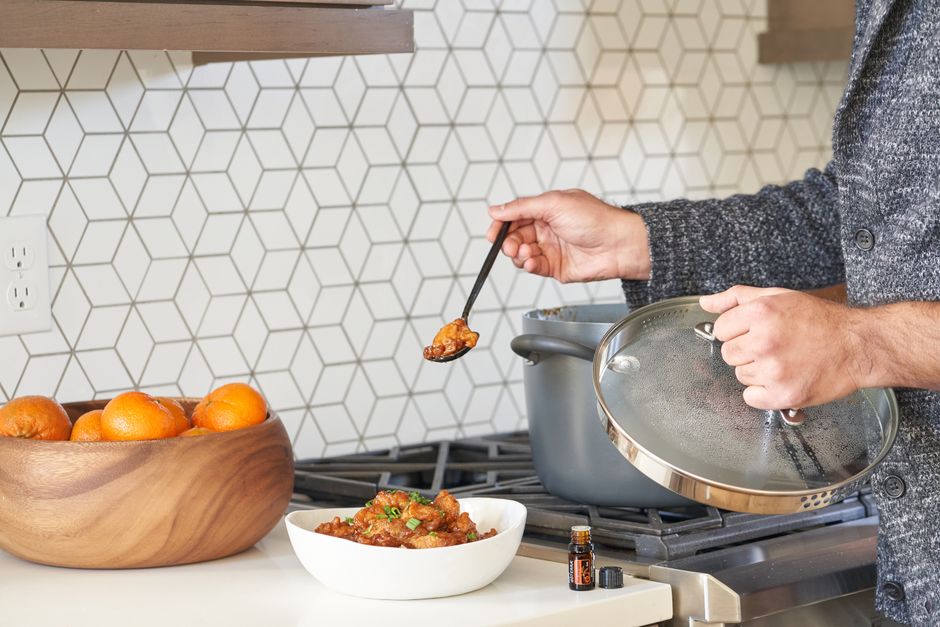
A slow cooker turns tough, inexpensive cuts of beef into a rich, tender stew with almost no hands-on work. The long, gentle heat breaks down connective tissue (collagen) into silky gelatin, so the meat pulls apart with a fork and the broth thickens on its own. Chuck roast, cut into 1 to 1.5-inch cubes, is the best choice because it has enough marbling and collagen to stay juicy through hours of cooking. This guide gives you exact Low and High times, a food-safety temperature check, and reliable ways to thicken the gravy.
How long to cook beef stew
| Setting | Time | Best for | Result |
|---|---|---|---|
| Low | 7-8 hours | Hands-off, all-day cooking | Most tender; beef shreds easily |
| High | 3.5-4 hours | Faster, same-day meals | Tender but slightly firmer beef |
| Keep Warm | Up to 2 hours after cooking | Holding before serving | Holds safely at 140F (60C) or above |
Beef is safe to eat at an internal temperature of 145F (63C) with a 3-minute rest, but stew meat only becomes melt-in-your-mouth tender once it climbs to about 195-205F (90-96C), when the collagen finally melts. That is why low and slow beats rushing: the Low setting holds a gentle simmer near 200F (93C) for hours, staying safely above the 140F (60C) danger-zone line the whole time it works the meat tender. If you are short on time, High reaches doneness in roughly half the time with a slightly firmer bite. A little longer never hurts a stew, so let the beef go until it pulls apart when you press it with a fork.
How to thicken beef stew
- Brown the beef first. A quick sear in a hot skillet builds deep, savory flavor. Deglaze the pan with a splash of broth and pour those juices into the cooker.
- Use a cornstarch slurry. Whisk 1 tablespoon cornstarch with 1 tablespoon cold water per cup of liquid, stir it in, and cook on High for the last 20-30 minutes.
- Or dredge the beef in flour. Toss the cubes in 2-3 tablespoons flour before browning; the coating thickens the broth as it simmers.
- Reduce it down. For a thicker gravy, remove the lid and cook on High for the final 30-45 minutes to let liquid evaporate.
- Add tender vegetables late. Stir in peas, spinach, or fresh herbs in the last 30 minutes so they stay bright and do not turn to mush.
- Keep the lid on. Every peek can add 15-20 minutes of cook time, so resist lifting it until the final hour.
- Mind food safety. Start with thawed beef, and if you add any poultry to the pot, cook it to a safe internal temperature of 165F (74C).
Can I put raw beef straight into the slow cooker?
Yes. Raw beef is food-safe as long as it reaches a safe internal temperature during cooking, and Low or High settings easily do that. Browning it first is optional but adds a lot of flavor. Beef is safe at 145F (63C) with a 3-minute rest, while stew meat turns fork-tender closer to 195-205F (90-96C).
Is Low or High better for beef stew?
Low (7-8 hours) gives the most tender, fall-apart result because the collagen has more time to break down. High (3.5-4 hours) works well when you are short on time, though the beef will be a touch firmer.
Can I cook beef stew from frozen?
No. USDA advises against cooking frozen meat in a slow cooker, because it spends too long in the 40-140F (4-60C) danger zone before coming up to temperature. Thaw the beef in the refrigerator first, then cook.
Why is my beef still tough?
Tough beef is almost always undercooked, not overcooked. Collagen needs time and heat to melt, so keep cooking until the meat reaches about 200F (93C) and shreds easily. In a stew, more time usually fixes toughness.
How long can I keep beef stew on the Keep Warm setting?
Up to about 2 hours is safe, as long as the stew stays at 140F (60C) or above. For longer storage, cool it and refrigerate within 2 hours, then reheat to 165F (74C) before serving.
Related guides
 GuideCan You Put Frozen Meat in a Slow Cooker?USDA advises against frozen meat in a slow cooker: it lingers in the 40-140F danger zone. Thaw first, or cook from frozen in an Instant Pot instead.Read more →
 GuideHow Long to Cook Chicken in a Slow CookerHow long to cook chicken in a slow cooker by cut, on low and high, plus the USDA-safe 165F target and tips to keep breasts juicy.Read more →
 GuideInstant Pot Cooking Times ChartInstant Pot cooking times chart for rice, beans, chicken, pot roast, potatoes, and eggs, with high-pressure minutes, release methods, and USDA-safe temps.Read more →
 GuideInstant Pot Rice (Ratios & Time)Instant Pot rice ratios and cook times for white, brown, and jasmine rice, plus pressure release tips and a quick-reference table.Read more →
This page contains affiliate links – if you buy through them we may earn a commission, at no extra cost to you. The recommendations are our own assessment.