Guide
Slow Cooker to Oven Conversion Chart
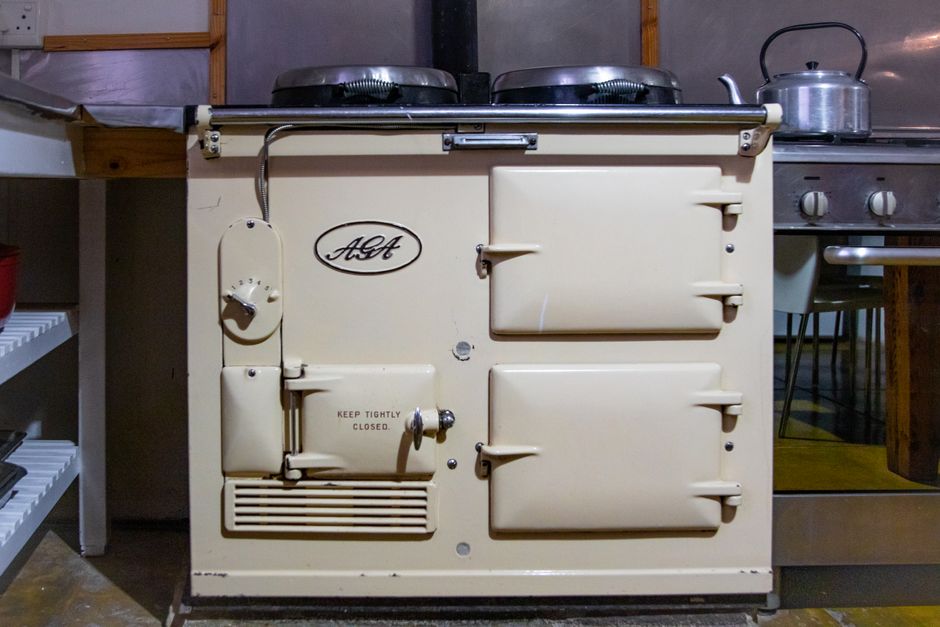
Recipes rarely include both oven and slow cooker instructions, so a little math saves dinner. Because a slow cooker traps steam and cooks with gentle, moist heat, an oven recipe will not translate minute-for-minute. Use the chart below as a starting point, then confirm doneness with an instant-read thermometer rather than the timer alone.
Cooking times vary with your model's wattage, how full the crock is, and how large you cut the food, so check on the early side the first time you try a new conversion. Once you learn how your cooker behaves, these ranges become reliable.
To use the chart, find the oven time your recipe calls for and read across to the matching slow cooker range. If your recipe falls between two rows, choose the longer time and start checking early. Dense foods like roasts and dried beans sit at the top of each range, while tender vegetables and boneless chicken finish sooner.
| Oven time at 350°F (177°C) | Slow cooker on Low | Slow cooker on High |
|---|---|---|
| 15 to 30 minutes | 4 to 6 hours | 1.5 to 2.5 hours |
| 30 to 45 minutes | 6 to 8 hours | 3 to 4 hours |
| 45 to 60 minutes | 8 to 10 hours | 4 to 6 hours |
| 1 to 2 hours (braises, roasts) | 8 to 10 hours | 5 to 6 hours |
| 2 to 3 hours (large or tough cuts) | 10 to 12 hours | 6 to 7 hours |
Reduce the liquid before you start. An oven or stovetop recipe loses moisture to evaporation, but a lidded slow cooker does not. For stews and braises, use about one-third less liquid than the original recipe lists. Soups are the exception, so keep the full amount. If the dish still looks thin at the end, prop the lid open and cook on High for the last 30 to 45 minutes to reduce it.
Tips for accurate conversions
- Brown or sear meat first, since the slow cooker adds no color or crust on its own.
- Stir in dairy, fresh herbs, and quick-cooking vegetables during the last 30 to 60 minutes.
- Fill the crock one-half to two-thirds full for even, food-safe cooking.
- Resist lifting the lid, because each peek can add 15 to 20 minutes.
- Cut root vegetables smaller than the meat, as they often cook more slowly.
- Trim large amounts of fat, which does not render and drain the way it does in a hot oven.
Frequently asked questions
What oven temperature does this chart assume?
It assumes 350°F (177°C), the most common baking and roasting temperature. Recipes at higher heat convert on a similar schedule, but start checking for doneness a little earlier.
Should I use Low or High?
Low is more forgiving for tough cuts and long, hands-off days, while High is faster. Both settings level off at about 200 to 210°F (93 to 99°C); Low simply takes longer to get there, which gives collagen more time to break down.
What internal temperatures are safe?
Cook poultry to 165°F (74°C), ground meat to 160°F (71°C), and whole cuts of beef, pork, and lamb to 145°F (63°C) with a 3-minute rest. Many braises turn most tender at 190 to 205°F (88 to 96°C), well above the minimum safe temperature.
Can I convert a slow cooker recipe to the oven?
Yes, read the chart in reverse. About 8 hours on Low is roughly 45 to 60 minutes in a 350°F (177°C) oven in a covered dish. Add back the liquid you would have removed for the slow cooker, since the oven will evaporate some of it.
Can I start with frozen meat?
No. The USDA advises thawing meat and poultry before slow cooking so the food moves quickly through the 40 to 140°F (4 to 60°C) danger zone instead of lingering there while a frozen piece slowly heats. Thaw in the refrigerator, then add the ingredients cold from the fridge; no preheating of the cooker is needed.
Related guides
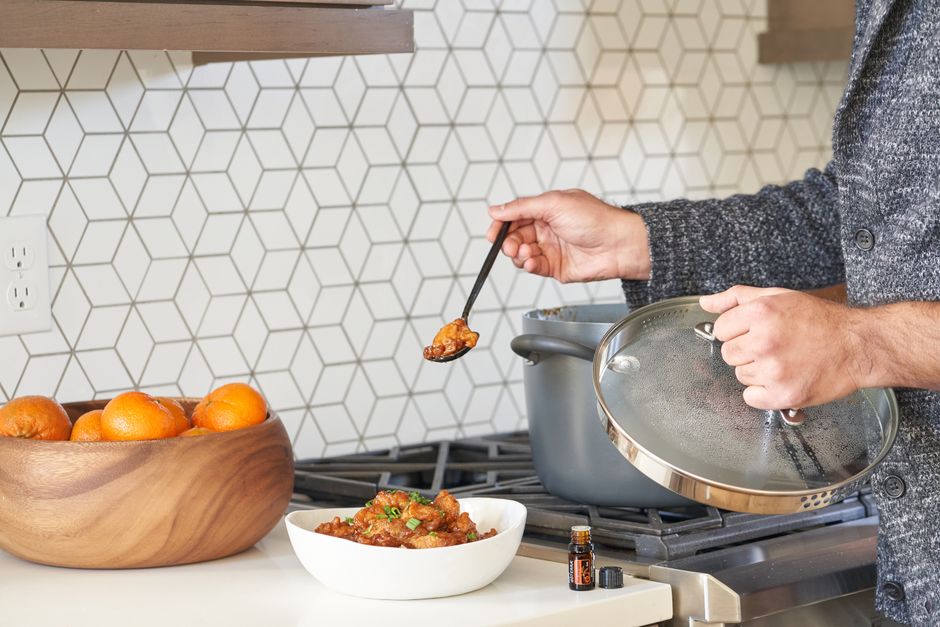 GuideBeef Stew in a Slow Cooker (Time)Beef stew in a slow cooker: cook on Low 7-8 hours (or High 3.5-4) until fork-tender. Times table, USDA-safe temps, and easy ways to thicken.Read more →
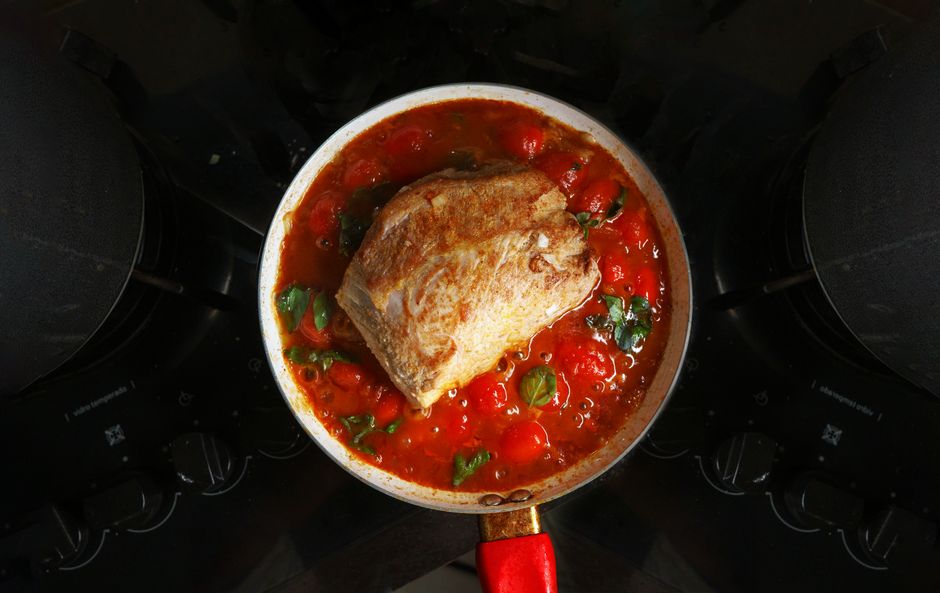 GuideCan You Put Frozen Meat in a Slow Cooker?USDA advises against frozen meat in a slow cooker: it lingers in the 40-140F danger zone. Thaw first, or cook from frozen in an Instant Pot instead.Read more →
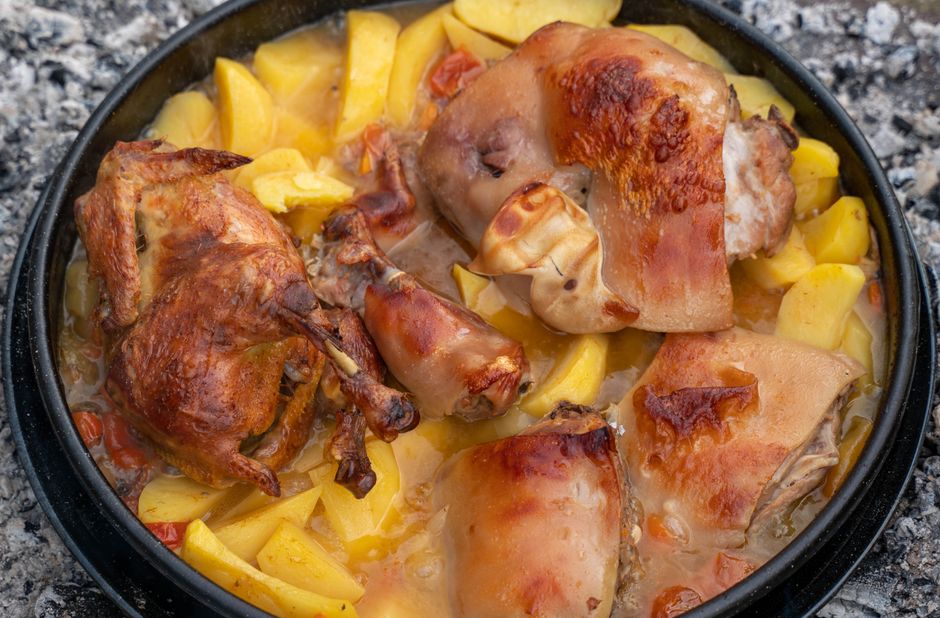 GuideHow Long to Cook Chicken in a Slow CookerHow long to cook chicken in a slow cooker by cut, on low and high, plus the USDA-safe 165F target and tips to keep breasts juicy.Read more →
 GuideInstant Pot Cooking Times ChartInstant Pot cooking times chart for rice, beans, chicken, pot roast, potatoes, and eggs, with high-pressure minutes, release methods, and USDA-safe temps.Read more →
This page contains affiliate links – if you buy through them we may earn a commission, at no extra cost to you. The recommendations are our own assessment.