Buying guide
Slow Cooker vs Instant Pot (Which to Use)
A slow cooker and an Instant Pot solve the same problem, hands-off cooking of tough, cheap ingredients, from opposite directions. A slow cooker uses low, gentle heat over many hours. An Instant Pot traps steam under pressure to force that same breakdown in a fraction of the time. Neither is strictly better; the right pick depends on how much time you have and the texture you want. This guide compares them head to head, tells you when to reach for each, and answers the questions people ask most.
| Factor | Slow Cooker | Instant Pot (Pressure Cooker) |
|---|---|---|
| Speed | Slow: 4 to 10 hours | Fast: often 20 to 60 minutes at pressure, plus heat-up and release |
| Texture | Silky, fall-apart braises; nothing overcooks quickly | Very tender fast, but easy to overshoot into mushy if timed wrong |
| Hands-off | Set it and leave for the whole workday | Mostly hands-off, but you stay near for pressure release and steps |
| Best foods | Pulled pork, chuck roast, chili, soups, tough braises | Dried beans, bone broth, stew, risotto, weeknight shredded chicken |
| Liquid needed | Reduces very little; use less liquid | Needs enough liquid to build steam; little evaporates |
| Browning/saute | Usually not built in; brown in a separate pan | Built-in saute for browning in the same pot |
| Learning curve | Very forgiving and simple | Steeper: valves, pressure release, and timing matter |
When to pick a slow cooker
Choose a slow cooker when time is on your side and you want the most forgiving cook. It shines for all-day meals you assemble before work: pulled pork, chuck roast, chili, and brothy soups come out meltingly tender with almost no risk of overcooking in the final hour. Because little liquid evaporates, you can use less than a stovetop recipe calls for. It is also the easier appliance to learn, with no valves or pressure to manage.
When to pick an Instant Pot
Reach for an Instant Pot when you are short on time or forgot to plan. It turns dried beans, tough stew meat, and whole-chicken broth into finished dishes in a fraction of the slow-cooker time. The built-in saute function lets you brown meat and onions in the same pot before pressure cooking, which deepens flavor and saves dishes. The tradeoff is a steeper learning curve and less margin for error: a few extra minutes at pressure can turn tender into mushy, so follow tested times closely.
- Always cook meat to a safe USDA internal temperature, checked with an instant-read thermometer, not by color or time alone.
- Poultry (chicken, turkey), ground or whole, is safe at 165F (74C).
- Ground beef, pork, and other ground meats reach 160F (71C).
- Whole cuts of beef, pork, and lamb (steaks, roasts, chops) are safe at 145F (63C) with a 3-minute rest.
- Always thaw frozen meat and poultry before slow cooking. A slow cooker heats too gently to move frozen food through the bacterial danger zone, 40F to 140F (4C to 60C), fast enough to be safe; thaw in the fridge, in cold water, or in the microwave first.
- Keep perishable ingredients refrigerated until they go in, and do not use a slow cooker to reheat leftovers; reheat them to 165F (74C) on the stove, microwave, or oven first, then hold warm if you like.
- Fill either appliance no more than about two-thirds full; the Instant Pot needs headroom for steam, and an overfull slow cooker heats unevenly.
Can I use slow cooker recipes in an Instant Pot?
Often, but not by copying the time. Use the Instant Pot's pressure setting with a tested pressure-cook time, and reduce added liquid only slightly since little evaporates. Many models also have a slow-cook mode if you want the long, gentle method in one appliance.
Is a slow cooker or Instant Pot safer for meat?
Both are safe when you hit USDA internal temperatures, such as poultry to 165F (74C). The key rules are to always thaw frozen meat before it goes in, keep the lid on to hold heat, and verify doneness with a thermometer rather than trusting the clock. A slow cooker in particular cannot heat frozen meat out of the danger zone, 40F to 140F (4C to 60C), quickly enough, so thaw it first.
Which one makes more tender meat?
A slow cooker usually gives the silkiest, most fall-apart texture because the long, low cook has a wide margin before anything overcooks. An Instant Pot gets there far faster and can be just as tender, but the timing window is tighter, so tough cuts benefit from a natural pressure release.
Do I need less liquid in a slow cooker?
Yes. Very little liquid evaporates under a slow cooker's lid, so a dish that would simmer down on the stove can turn out watery if you use the full amount. Cut the liquid noticeably and expect the food to release its own moisture as it cooks.
If I can only buy one, which should I get?
If your days are busy and you like loading dinner in the morning, a slow cooker is simplest. If you cook on demand and want beans, broth, and weeknight meals fast, an Instant Pot is more versatile since many models also slow-cook. Match the tool to how you actually cook.
Related guides
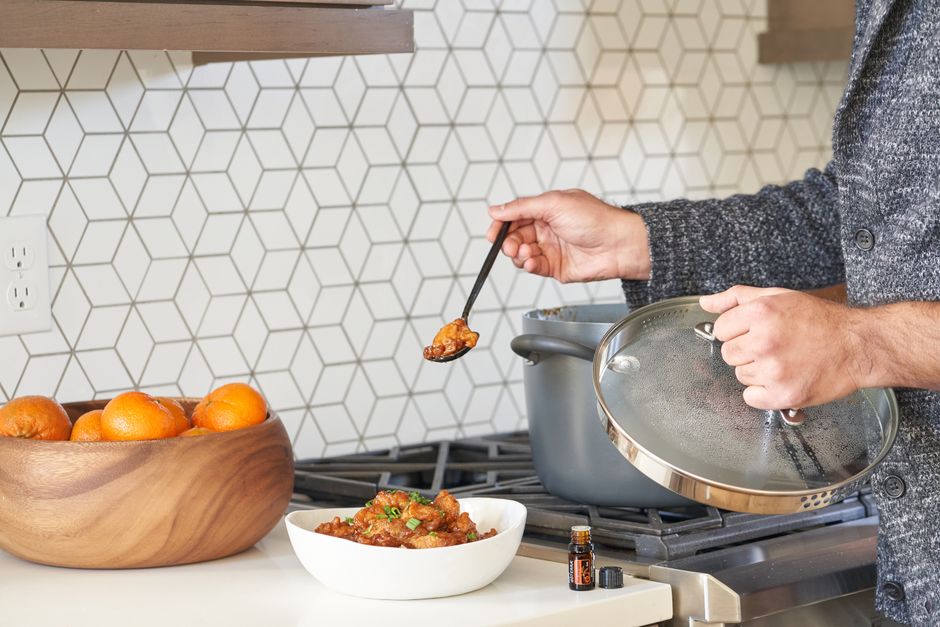 GuideBeef Stew in a Slow Cooker (Time)Beef stew in a slow cooker: cook on Low 7-8 hours (or High 3.5-4) until fork-tender. Times table, USDA-safe temps, and easy ways to thicken.Read more →
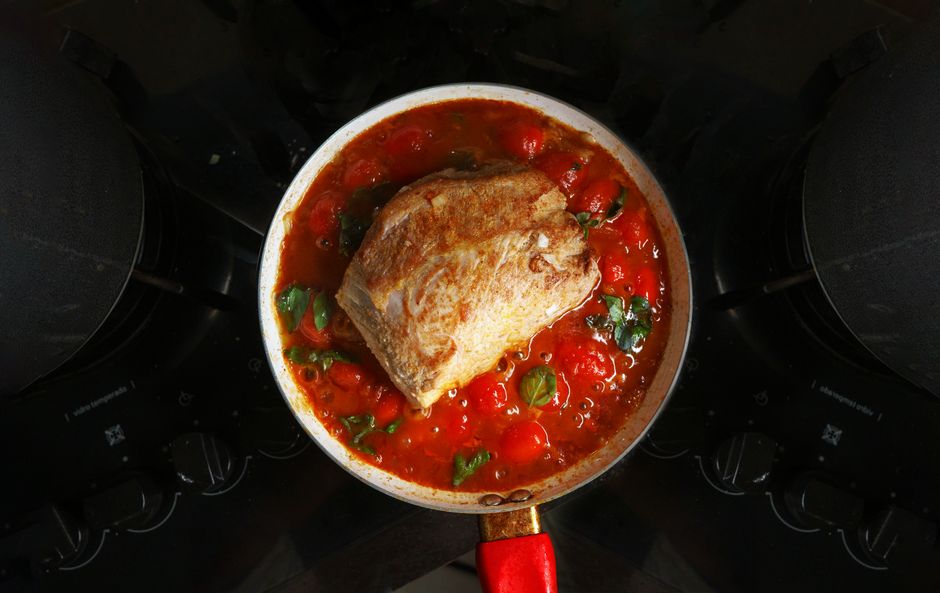 GuideCan You Put Frozen Meat in a Slow Cooker?USDA advises against frozen meat in a slow cooker: it lingers in the 40-140F danger zone. Thaw first, or cook from frozen in an Instant Pot instead.Read more →
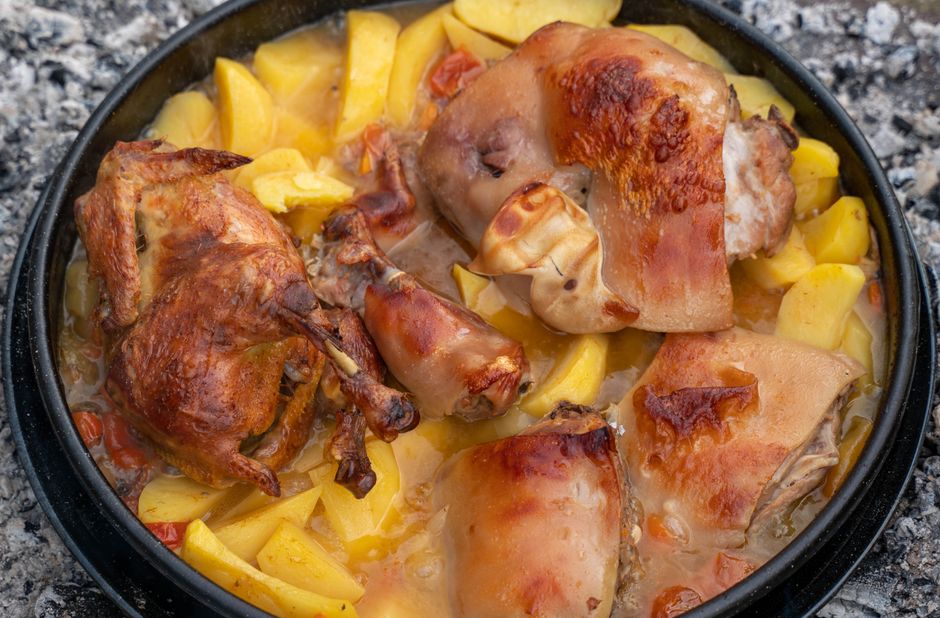 GuideHow Long to Cook Chicken in a Slow CookerHow long to cook chicken in a slow cooker by cut, on low and high, plus the USDA-safe 165F target and tips to keep breasts juicy.Read more →
 GuideInstant Pot Cooking Times ChartInstant Pot cooking times chart for rice, beans, chicken, pot roast, potatoes, and eggs, with high-pressure minutes, release methods, and USDA-safe temps.Read more →
This page contains affiliate links – if you buy through them we may earn a commission, at no extra cost to you. The recommendations are our own assessment.